
Ledger®® Live: Desktop® — Getting Started | official Ledger™
Ledger Live Desktop offers a convenient interface for organizing accounts, reviewing digital assets, monitoring balances, and following wallet activity.
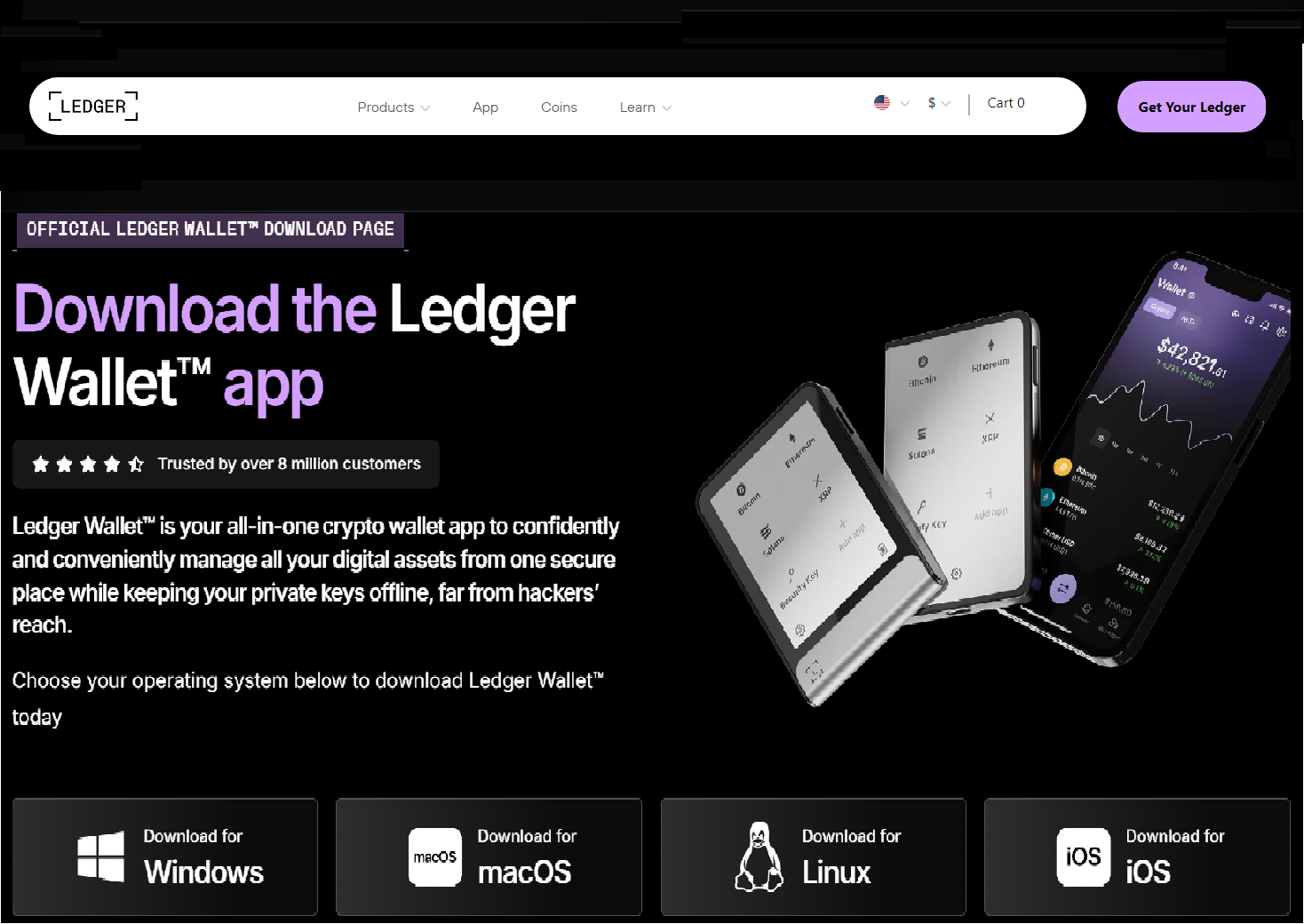
Ledger Live Desktop: A Practical Maintenance Guide for Your Desktop Wallet Setup
A desktop wallet should not be treated as something that only needs attention when a transaction is required. Regular maintenance can help users keep their computer environment organized, understand wallet activity, and respond more carefully to unexpected changes.
For people using Ledger Live Desktop, a simple maintenance routine can support consistent wallet management over time.
Keep Your Computer in Good Condition
Start with the computer itself.
Use a device that you control and regularly maintain. Keep its operating system and security protections reasonably current, and avoid unnecessary programs that you do not recognize.
A controlled computer environment is useful when working with financial software.
Check Where Your Wallet Software Came From
Software should be obtained through legitimate sources.
If you are reinstalling or checking for an update, independently locate the appropriate official Ledger resource instead of relying on a link from an unexpected message.
Be particularly cautious with download pages that imitate familiar branding.
Review Your Account Structure
Over time, your wallet may accumulate accounts that you no longer use regularly.
Periodically review the account list and make sure you understand what each account represents. Clear organization makes it easier to select the intended account during future transactions.
Review Recent Activity
Transaction history can serve as a regular checkpoint.
Look through recent activity and make sure the transactions you see are consistent with your own actions.
If something appears unfamiliar, investigate carefully before taking action.
Check Your Receiving Workflow
Receiving addresses can change or differ depending on the account and asset.
When preparing to receive funds, verify the relevant account and receiving information instead of automatically reusing an old record.
For important transfers, use the available hardware-device verification process.
Review Your Sending Habits
A maintenance routine should also include reviewing how you send funds.
Make sure you are still checking the destination, amount, asset, network, and fees before approval.
Do not let familiarity with the process turn careful verification into an automatic click-through.
Keep Your Hardware Device Secure
Your Ledger hardware wallet is part of your overall setup.
Store it in a place where you can control access to it, and avoid leaving it unattended in situations where another person could interact with it.
The physical device should be treated as an important part of your wallet environment.
Protect Recovery Information
Recovery information requires particular care.
Keep it private and do not share it with anyone who contacts you online. Avoid entering it into websites or applications simply because they claim to be connected with wallet support.
If you believe your recovery information may have been exposed, seek official guidance promptly rather than following instructions from strangers.
Be Careful With “Urgent” Support
Unexpected urgency is a reason to slow down.
Messages claiming that your wallet will be locked, your funds will disappear, or your account needs immediate verification should be approached carefully.
Do not install remote-access tools or disclose sensitive information because someone says it is necessary.
Review Updates Independently
When maintaining Ledger Live Desktop, verify software updates through the legitimate source.
Avoid downloading updates from random links or files shared through forums and private messages.
The safest troubleshooting habit is to independently locate the relevant official information.
Keep Personal Records Organized
If you use your wallet frequently, maintain records that help you understand your activity.
You might keep track of transaction dates, purposes, account names, or identifiers according to your own needs.
Do not mix sensitive recovery information into ordinary transaction records.
Test Your Routine Periodically
A maintenance review is also an opportunity to check whether your normal workflow still makes sense.
Ask yourself whether you can identify the correct account, verify an address, review a transaction on the hardware device, and locate reliable support information without relying on an unknown third party.
Final Thoughts
Maintaining a Ledger Live Desktop setup does not require a complicated process. Keep your computer controlled and maintained, obtain software from legitimate sources, review accounts and transaction activity, verify important transfers, and protect your recovery information.
Regular attention to these basics can help keep your desktop wallet workflow organized and easier to manage over the long term.
Updated about 15 hours ago