
Ledger®® Live: Desktop® — Getting Started | official Ledger™
Ledger Live Desktop provides useful tools for viewing wallet information, tracking assets, checking balances, and managing crypto transactions.
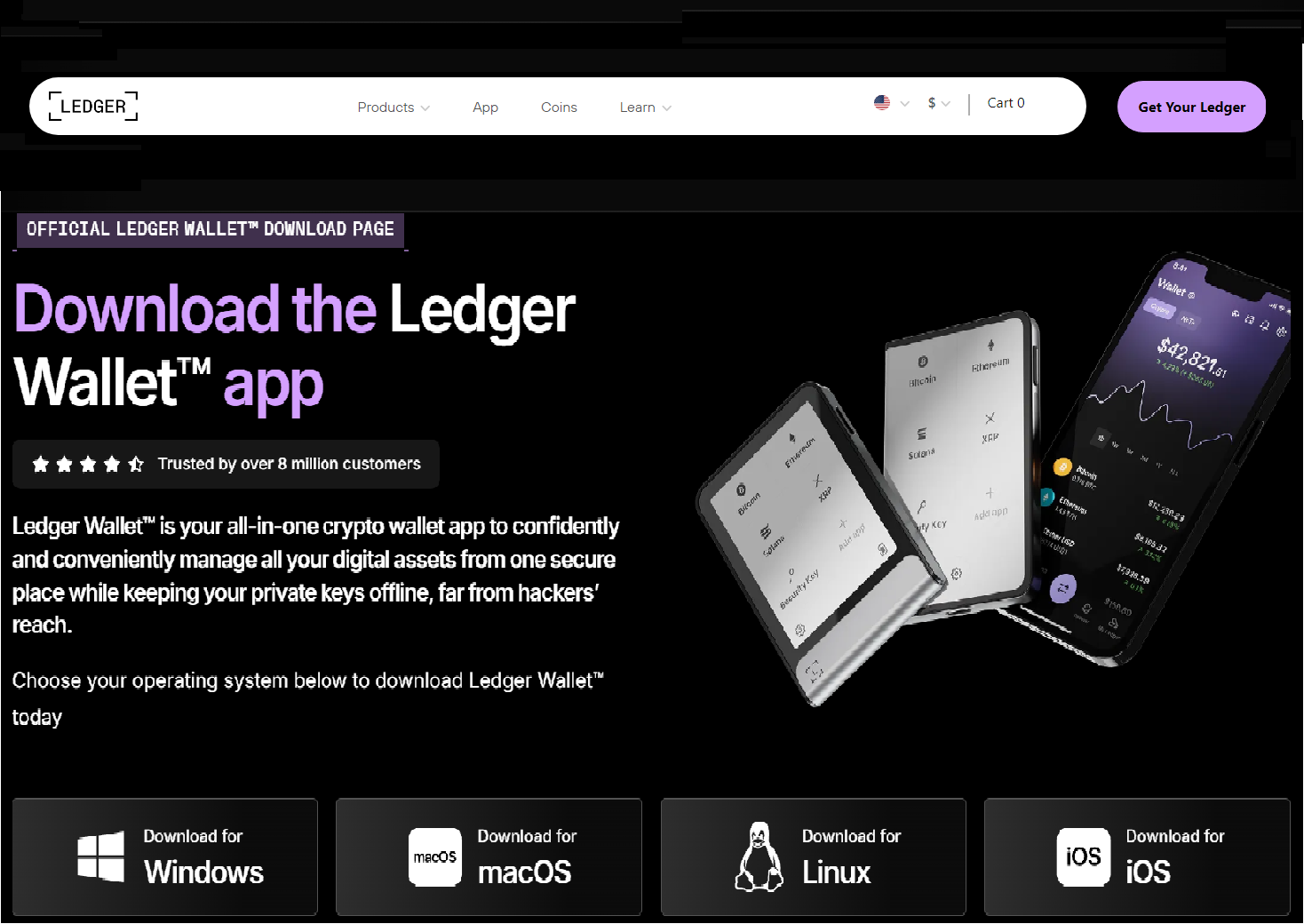
Ledger Live Desktop: Understanding the Basics Before Your First Desktop Transaction
Your first desktop wallet transaction can seem unfamiliar, especially if you are new to hardware wallets. The easiest way to reduce confusion is to understand the basic workflow before attempting to move a significant amount of cryptocurrency.
Ledger Live Desktop provides a computer-based environment for working with supported accounts alongside a Ledger hardware wallet. Learning how the two parts interact can make the first transaction easier to understand.
Know What You Are Using
Before making a transaction, understand the roles of the desktop application and physical device.
The application provides an interface for viewing accounts and preparing wallet operations. The hardware wallet is used for important authorization steps.
This distinction is useful because it explains why some actions require confirmation on the physical device.
Prepare Your Computer
Use a computer that you control and that you are comfortable using.
Avoid installing wallet software on public computers. Keep normal computer-security practices in place and be cautious about unfamiliar downloads.
A controlled environment can make wallet activity easier to monitor.
Verify Ledger Live Desktop
Make sure the desktop application comes from a trusted official source.
Avoid downloading software from unofficial pages that imitate familiar wallet branding. Be particularly cautious when an unexpected message provides a download link.
If you are unsure about a download, stop and verify the source before installing it.
Explore Before Transacting
After opening the application, take time to understand the interface.
Learn where your accounts appear and where transaction history can be reviewed. Become familiar with the general process for receiving and sending assets.
You can learn the interface without immediately making a large transaction.
Select the Correct Account
Before preparing a transfer, confirm which account you are using.
This is especially important if your wallet contains multiple supported assets or accounts.
Check the asset name and account information before entering transaction details.
Understand Receiving
A receiving transaction begins with an address.
Select the appropriate account and generate the relevant receiving information. Review the address carefully before sharing it.
When available, use the hardware wallet to verify the address, particularly when dealing with an important transfer.
Understand Sending
When sending, carefully enter the destination and amount.
Confirm that the selected asset and network are appropriate for the recipient. Review applicable fees and other information presented by the application.
Do not rush to the final approval stage.
Confirm Through the Hardware Device
The hardware wallet provides an important confirmation step.
Read the information displayed on the physical device and compare it with what you intended to send.
If the recipient, amount, or other transaction details are not what you expected, do not approve the operation.
Learn About Transaction Processing
A submitted transaction may require time for network processing.
Check its status within the wallet interface and understand that pending activity can occur while the network processes a transaction.
If you are uncertain about a transaction status, consult reliable documentation rather than immediately attempting another transfer.
Protect Sensitive Information
Do not provide your recovery information to anyone while using Ledger Live Desktop.
A person claiming to be a support agent may ask for private details or remote access to your computer.
Keep recovery information private and use official support channels when you need assistance.
Be Careful With Popups and Messages
Not every warning that appears online should be trusted automatically.
If a message instructs you to download software, enter recovery information, or contact a particular person, verify the request independently.
Unexpected urgency is a reason to slow down rather than act immediately.
Practice With Small Amounts
When learning a new transaction workflow, a small test transaction can provide useful experience.
It allows you to understand address handling, transaction confirmation, network processing, and wallet history without immediately handling a large amount.
Once the process becomes familiar, you can continue using the workflow that suits your needs.
Final Thoughts
Ledger Live Desktop can provide a convenient computer-based interface for managing supported digital assets with a Ledger hardware wallet. Before making your first desktop transaction, focus on understanding the application, selecting the correct account, verifying transaction details, and using the physical device for confirmation.
A careful first experience can help you develop a repeatable workflow that remains useful during future wallet sessions.
Updated about 15 hours ago