
Ledger®® Live: Desktop® — Getting Started | official Ledger™
Discover Ledger Live Desktop for practical wallet management with account details, asset information, portfolio views, balance tracking, and transfers.
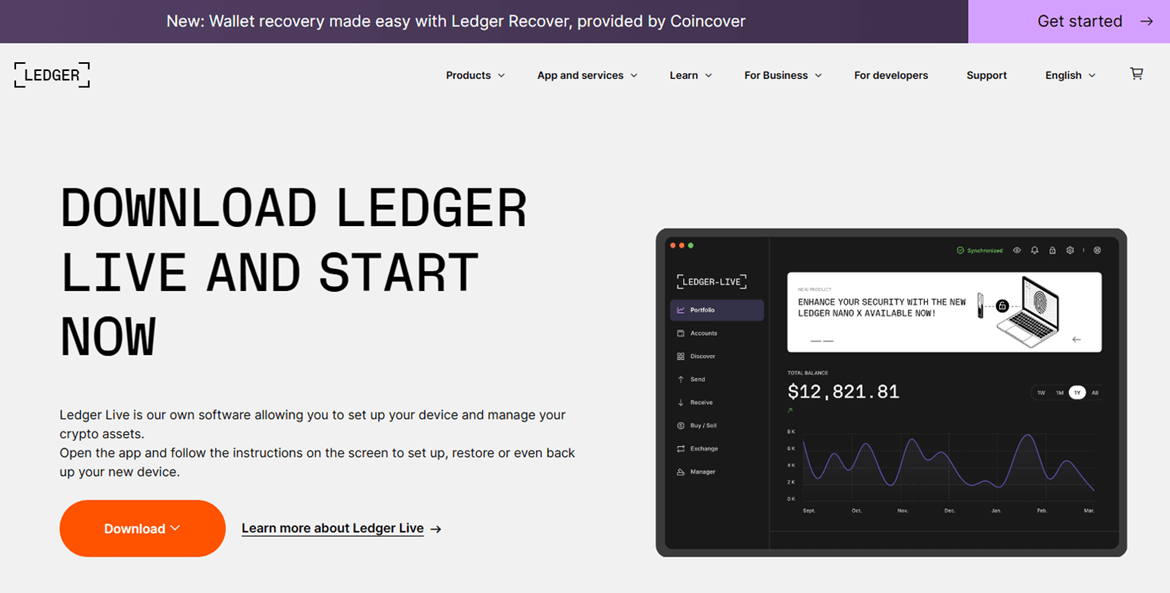
Ledger Live Desktop: Common Desktop Wallet Mistakes and How to Avoid Them
Desktop wallet management can be straightforward when users follow a consistent process. However, small mistakes can create unnecessary confusion, especially when someone is unfamiliar with accounts, addresses, transaction confirmations, or wallet security.
Using Ledger Live Desktop effectively begins with understanding what to check before, during, and after common wallet activities.
Mistake 1: Installing From an Unknown Website
One of the first mistakes is downloading wallet software from an unofficial source.
Search results and online advertisements can lead to websites that imitate legitimate services. Avoid installing software simply because the page uses familiar logos or branding.
Verify the source independently before downloading the application.
Mistake 2: Using an Untrusted Computer
A wallet session should take place on a computer you control.
Public computers and shared devices may contain unfamiliar software, browser extensions, or other risks. Whenever possible, use your own maintained computer for wallet management.
Mistake 3: Rushing Through the Setup
New users sometimes click through setup prompts without reading them.
Instead, take time to understand what each stage is asking you to do. If a prompt is unclear, stop and consult reliable documentation before continuing.
Mistake 4: Ignoring Account Selection
When multiple accounts are available, selecting the wrong one can lead to confusion.
Before receiving or sending assets, confirm the account name and asset displayed by Ledger Live Desktop.
A quick account check should become part of your normal workflow.
Mistake 5: Treating Addresses as Simple Text
Cryptocurrency addresses can be long and difficult to read.
Do not assume that an address is correct simply because it was copied successfully. Review the address carefully and use the hardware wallet verification process when available.
For larger transfers, an additional verification step is especially worthwhile.
Mistake 6: Approving Without Reading the Device
The physical Ledger device provides an important confirmation stage.
When a transaction appears on the device, review the information rather than approving automatically.
If the destination, amount, or other important details look different from what you expected, do not continue until the discrepancy is understood.
Mistake 7: Repeating a Pending Transaction
A transaction may take time to process depending on network conditions.
Seeing a pending status does not automatically mean that another transaction should be submitted.
First review the existing transaction and its status before taking further action.
Mistake 8: Sharing Recovery Information
Your recovery information is private and should remain under your control.
Never send it through email or messaging services. Do not enter it into websites that claim to offer account verification or technical support.
Anyone requesting sensitive recovery information should be treated with extreme caution.
Mistake 9: Trusting Unsolicited Support
Scammers may contact users while pretending to represent wallet companies.
Be especially cautious when someone asks you to install remote-access software, reveal private information, or move funds to a different address.
If assistance is required, locate the official support channel yourself.
Mistake 10: Making Large Transfers Immediately
New users may benefit from becoming familiar with their workflow before attempting important transfers.
Understanding the interface, account selection, address verification, and transaction confirmation process first can reduce avoidable mistakes.
For appropriate situations, users may choose to become comfortable with the process through a small test transaction.
Keep Your Workflow Simple
Security does not require an unnecessarily complicated routine.
A simple process can be effective: use trusted software, connect the hardware wallet, verify the correct account, check transaction details, approve only after reviewing the device, and monitor the transaction afterward.
Review Your Habits Periodically
Wallet management is not something you have to learn in one session.
As you gain experience, review how you handle downloads, updates, transactions, account organization, and support requests.
Improving one habit at a time can make your overall workflow more consistent.
Conclusion
Ledger Live Desktop can be easier to use when common mistakes are understood in advance. Avoid unofficial software, untrusted computers, rushed approvals, incorrect account selection, unverified addresses, and requests for private recovery information.
The most useful approach is deliberate rather than complicated: verify important details, use your hardware wallet for transaction confirmation, and pause whenever something does not look right.
Updated about 15 hours ago